Organic Sparkling Wine
in the UK
From organic Champagne to English sparkling wine, Crémant to Cava. Why sparkling wine is worth buying organic and which producers are making it well.
Sparkling wine is what we open for celebrations, for Sundays, for no reason at all. It is also one of the wine styles where organic and biodynamic production makes the most tangible difference.
We have made organic sparkling wine our default for several years. The shift started with Champagne — once we understood how heavily conventional Champagne vineyards are sprayed, and how concentrated those residues can be in a wine made by a method that involves extended contact between the wine and the lees, buying conventional felt harder to justify.
The organic sparkling wine category has expanded enormously. English sparkling wine from organic and biodynamic producers is now genuinely world class, competing directly with Champagne on quality if not yet on price parity. Crémant from organic producers in Alsace, the Loire and Burgundy offers outstanding value. Organic Cava from Spain is widely available and well priced. There has never been more choice.
This page covers what to look for in organic sparkling wine, the styles and regions worth knowing about, and which producers are making it well in Britain and beyond.
What separates good organic sparkling
from genuinely great
Sparkling wine is made by one of two principal methods. The traditional method — used in Champagne, Crémant, English sparkling wine and Cava — involves a second fermentation in the bottle, during which the wine spends an extended period in contact with the yeast lees before disgorgement. The tank method — used in Prosecco — involves a second fermentation in a pressurised tank. The traditional method produces finer, more complex bubbles and greater depth of flavour.
For organic sparkling wine, the traditional method is where the most interesting producers are working. The extended lees contact that characterises the best traditional method wines — sometimes years in the case of vintage Champagne — means that the quality of the base wine matters enormously. Organic viticulture, with its emphasis on soil health and fruit quality, produces base wines with better natural acidity and more complex flavour than conventionally farmed equivalents.
Dosage is one of the most important indicators of quality in sparkling wine. Dosage is the addition of a small amount of sugar solution at disgorgement that determines the final sweetness level. Extra Brut and Brut Nature styles — with very low or zero dosage — require the best possible base wine because there is no sweetness to mask flaws. Organic producers working with high quality fruit are more likely to produce low dosage styles with genuine complexity.
English sparkling wine deserves particular attention. The chalk and limestone soils of the south east of England are geologically similar to those of Champagne, and the cool climate produces grapes with the high natural acidity that is essential for great sparkling wine. Several English producers are now farming organically or biodynamically, and the results are extraordinary. English organic sparkling wine is one of the most exciting developments in British food and drink.
Crémant offers the best value in organic sparkling wine. Made by the traditional method from a range of grape varieties in Alsace, the Loire, Burgundy, Bordeaux and other French regions, Crémant from organic producers delivers genuine complexity and finesse at a fraction of Champagne prices. Organic Crémant d'Alsace and Crémant de Loire in particular are consistently excellent.
Organic Champagne exists and it is worth seeking out. The Champagne region has been slower to adopt organic viticulture than other French wine regions, partly because of the high fungal disease pressure in the cool, damp climate. But producers like Leclerc Briant, Fleury and Marie-Courtin are making genuinely outstanding organic and biodynamic Champagne. They cost more than conventional Champagne. They are also considerably better.
Where organic sparkling wine
is made well
Champagne is the benchmark for traditional method sparkling wine and it is also where the most celebrated organic and biodynamic producers are based. The cool climate makes organic viticulture challenging but not impossible, and the producers who have made the commitment — Leclerc Briant, Fleury, Marie-Courtin, Laherte Frères — are making some of the most exciting Champagne produced today. These are not compromise wines. They are among the finest bottles in the region.
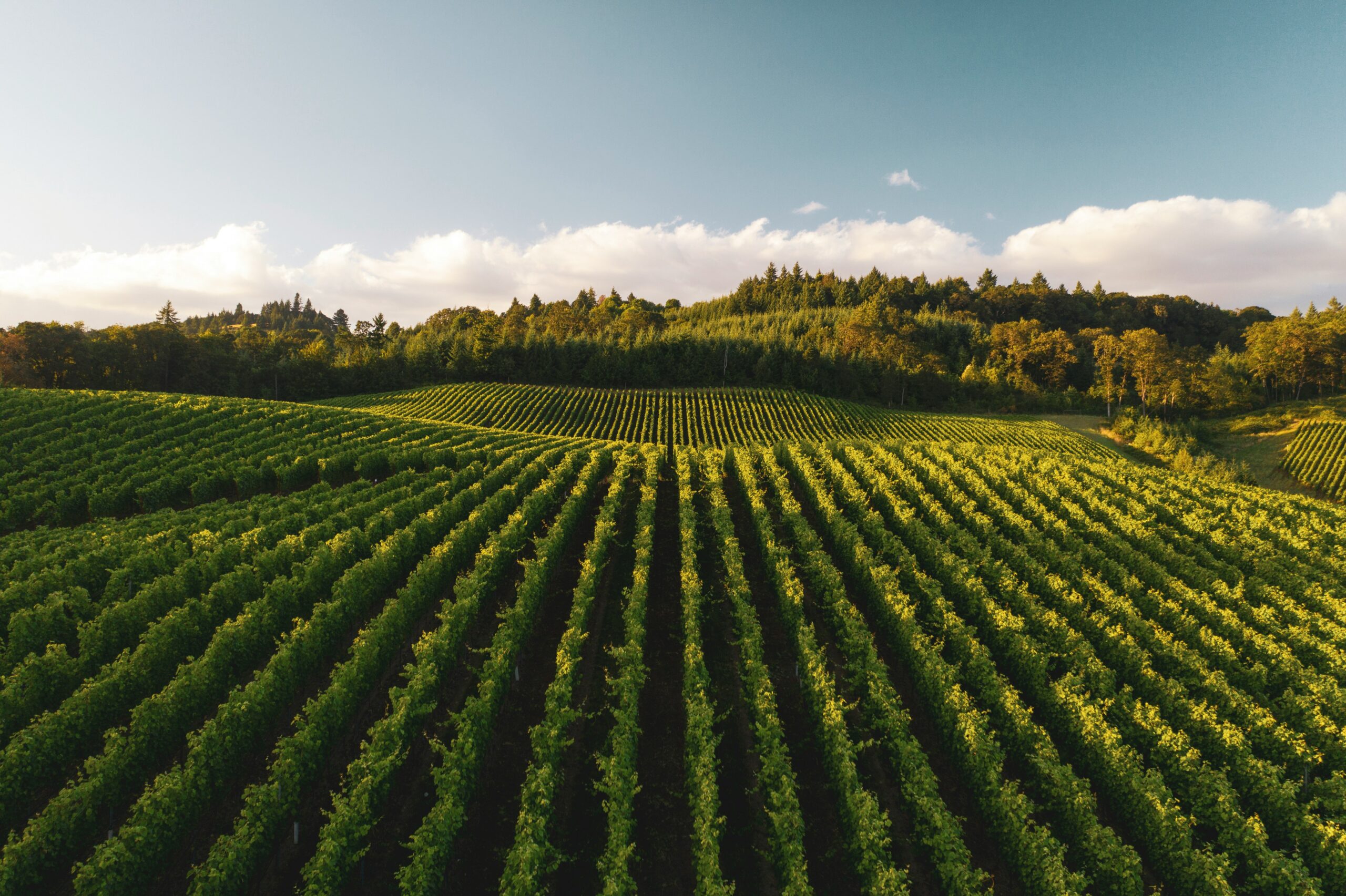
England is the most exciting source of organic sparkling wine in Britain right now. The chalk downs of Sussex, Kent and Hampshire produce Chardonnay, Pinot Noir and Pinot Meunier with the high natural acidity and mineral precision that great sparkling wine requires. Albury Organic Vineyard in Surrey and Oxney Organic Estate in East Sussex are producing certified organic English sparkling wine of genuine quality. The best English organic sparkling wine rivals Champagne at its price point.
Alsace is the strongest region for organic Crémant. The dry, sunny climate makes organic viticulture more achievable than in Champagne, and the tradition of organic and biodynamic farming in the region means there are numerous certified producers to choose from. Crémant d'Alsace from organic producers is one of the most reliably excellent and consistently good-value sparkling wines available in Britain.
The Loire Valley produces outstanding organic Crémant de Loire from Chenin Blanc, as well as Saumur Mousseux and Vouvray Pétillant from organic producers. The region has a long tradition of minimal intervention winemaking and the natural wine movement here has produced some of the most interesting low-intervention sparkling wines available. Pétillant Naturel — pét-nat — from organic Loire producers is one of the most fashionable and genuinely delicious sparkling wine styles currently available in Britain.
Spain produces certified organic Cava from the Penedès region near Barcelona. Cava is made by the traditional method from local grape varieties including Macabeo, Xarel-lo and Parellada. Organic Cava from producers like Recaredo and Raventós i Blanc offers genuine complexity and value. It is widely available in Britain through specialist merchants and increasingly through mainstream retailers.
Pétillant Naturel is the oldest method of making sparkling wine — the wine is bottled before fermentation is complete, finishing its fermentation in the bottle and retaining the resulting bubbles. It is unfiltered, often cloudy and typically sealed with a crown cap rather than a cork. Organic and natural wine producers have embraced it enthusiastically. The results range from delicious to challenging. It is worth trying if you have not already.
Organic sparkling wine producers
worth seeking out
These are producers we have researched and believe to be genuinely worth seeking out. Most are available through specialist merchants in Britain, particularly Vintage Roots and Les Caves de Pyrène.