
Organic Fruit
in the UK
Why fruit is where pesticide exposure matters most, which varieties to always buy organic, and how to navigate the cost without compromising on what matters.
Fruit is where we are most strict about buying organic. If you're eating the skin, you're eating whatever was sprayed on it and with fruit, you almost always eat the skin.
Our ancestors ate fruit seasonally and locally — a few months of abundance followed by months of none at all. We now eat fruit every day of the year, from dozens of countries, much of it picked unripe and treated with post-harvest chemicals to survive long supply chains. The human body did not evolve eating strawberries from Egypt in January or grapes from South Africa in March. That doesn't mean we shouldn't eat them — but it's worth understanding what comes with them.
Pesticide residues on fruit are higher than on almost any other food category. Imported fruit is significantly more likely to carry multiple residues than British-grown — and the gap between the two is wider for fruit than for vegetables. The cocktail effect — the unassessed combined impact of multiple pesticides eaten simultaneously — is most relevant here, because fruit is eaten raw, often eaten daily and often given to children.
Organic fruit is expensive. We won't pretend otherwise. This guide is our honest attempt to help you prioritise — which fruits matter most, which you can be more relaxed about, and where British seasonal fruit gives you the best of both worlds without always paying the organic premium.
Why fruit is where pesticide
exposure matters most
The edible skin rule is the simplest and most useful framework for thinking about pesticide exposure from fruit. If you eat the skin, you eat what's on it. Washing removes some surface residues but not systemic ones — pesticides that have been absorbed into the flesh of the fruit during growth cannot be washed away. Peeling helps, but you lose nutritional value in the process and it isn't always practical.
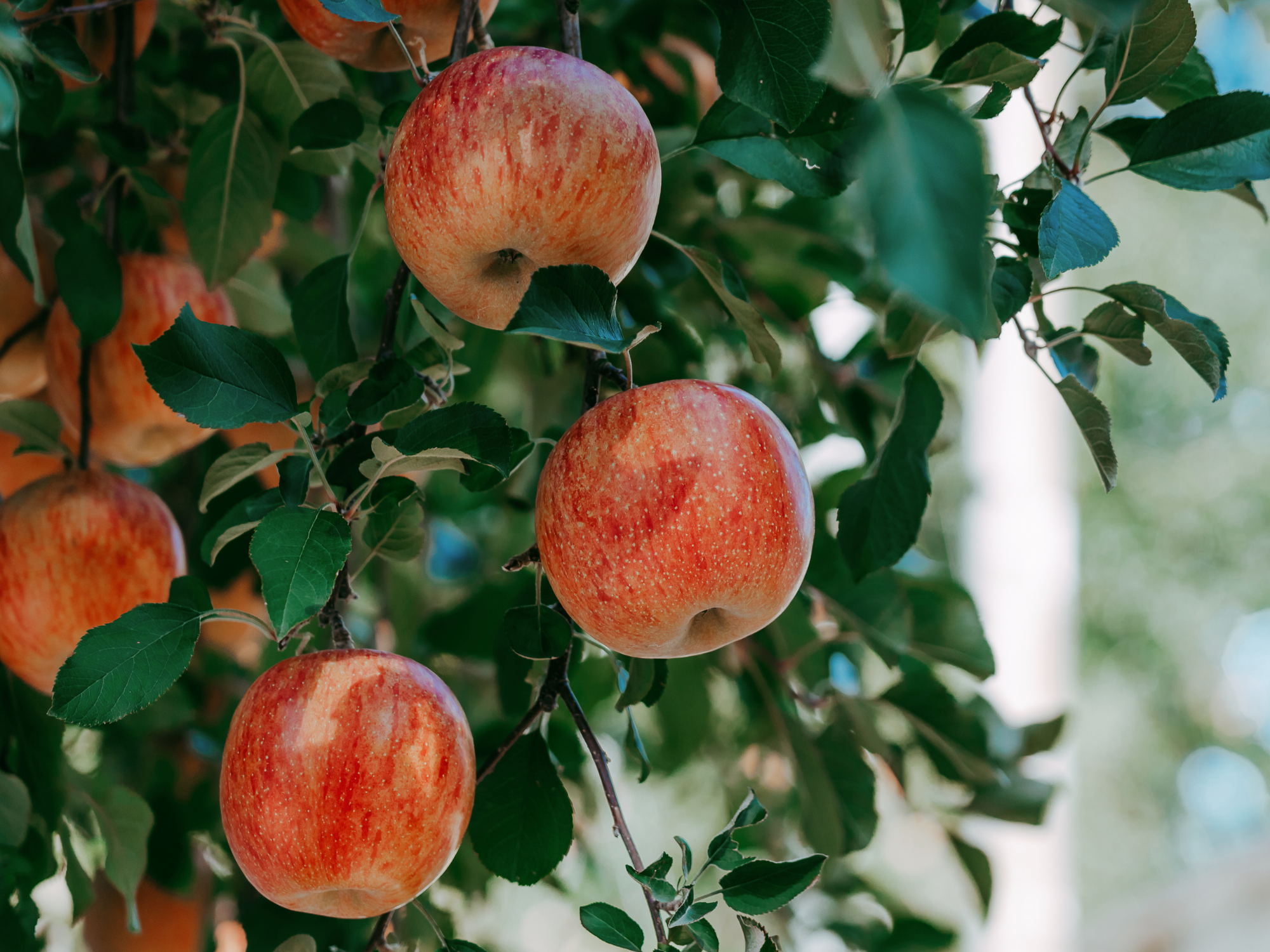
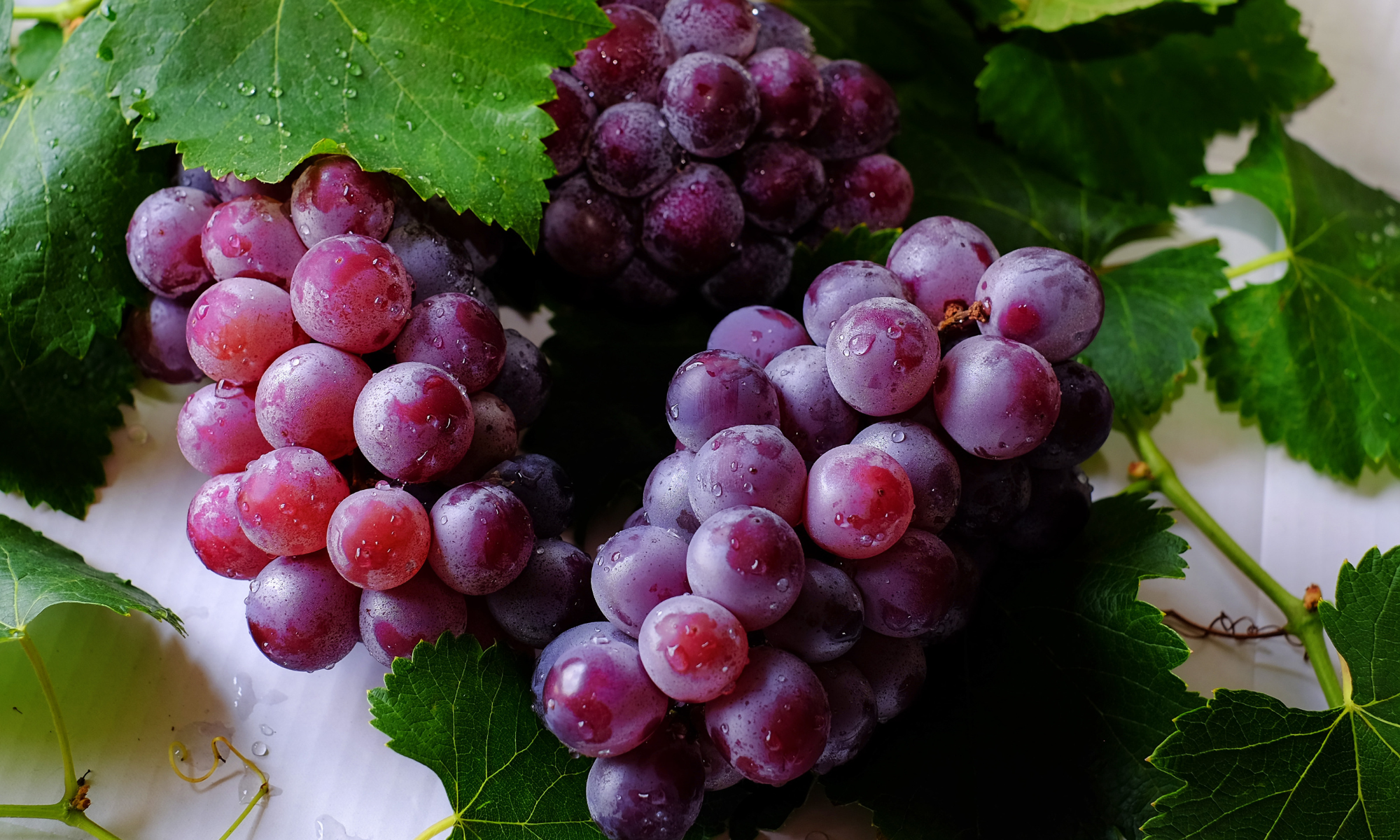
Strawberries, raspberries, blueberries, grapes, apples, pears, peaches, nectarines, tomatoes — all eaten whole, all with edible skin, all regularly appearing at the top of UK pesticide monitoring data. These are the fruits where organic matters most, and where the price premium is most clearly justified.
The import problem compounds this. The majority of fruit sold in British supermarkets year-round is imported — from Spain, Morocco, South Africa, Chile, Peru, Egypt. Imported produce is significantly more likely to carry multiple pesticide residues than British-grown equivalents, and more likely to exceed safety limits entirely. The pesticide standards in some exporting countries are lower than in the UK. Pesticides banned here are sometimes still in use there — and while imports must comply with UK maximum residue levels on arrival, compliance testing covers only a fraction of what enters the country.
Children are the group most affected by this. Fruit is one of the first foods given to babies and toddlers. Children eat proportionally more fruit relative to their body weight than adults. Their detoxification systems are less developed. And the research on the effects of low-level pesticide exposure on developing nervous systems — while not definitive — is not reassuring. If you are going to prioritise organic for one family member, prioritise it for children.
The cost barrier is real and we take it seriously. Organic fruit costs more — sometimes considerably more. Our practical approach is to prioritise organic for the fruits we eat most frequently and that carry the highest residue risk — berries, grapes, apples, pears, tomatoes — and to be more relaxed about fruits we always peel, like bananas, melons, pineapple and avocado. That's not a perfect system. It's a reasonable one.
Organic fruit is genuinely expensive and we don't think people should feel guilty about not buying it all the time. What we would say is this — if you can make one change, make it berries. Strawberries and raspberries are among the most pesticide-laden fruits in Britain and among the most eaten. A punnet of organic strawberries costs perhaps £1.50 more than conventional. Over a week of eating them, that's the most impactful £1.50 you can spend in the organic aisle.
Organic fruit suppliers
worth knowing about
Unlike meat, most organic fruit in the UK reaches consumers through box schemes and retailers rather than direct farm sales. These are the sources we trust and use ourselves.
Synthetic coatings —
what's on the outside of your fruit
Most people are aware that conventionally grown fruit is sprayed with pesticides during cultivation. Fewer people know about what happens after harvest. Post-harvest treatments — fungicides, waxes and coatings applied to fruit after picking to extend shelf life and improve appearance — are widespread in conventional supply chains and largely invisible to consumers.
Fruit waxes have been used for decades — shellac, carnauba wax and petroleum-based waxes are applied to apples, citrus, cucumbers and other produce to replace the natural wax bloom removed during washing and to slow moisture loss. Some are derived from natural sources. Others are synthetic. All are applied after the fruit has left the farm, and none are required to be prominently labelled in the UK beyond a general "waxed" declaration that most consumers never see.
More recently, a product called Apeel has attracted significant public attention. Developed by Apeel Sciences — a company that has received investment from the Bill & Melinda Gates Foundation among others — Apeel is a plant-derived coating applied to fruit and vegetables to extend shelf life by slowing water loss and oxidation. It has been approved for use in the UK and is already appearing on avocados, citrus and other produce in major supermarkets.
The food safety regulators in both the UK and US have assessed Apeel and concluded it is safe. We are not in a position to contradict that assessment and we won't. What we will say is that the public response to its introduction — significant concern, widely felt — reflects a reasonable desire to know what is on food before eating it, and a frustration that labelling requirements don't always make this clear.
The ingredients in Apeel are derived from grape skins and other plant materials. The coating is colourless, odourless and tasteless. It does not penetrate the flesh of the fruit. The regulatory position is that it is safe and that the quantities involved are negligible.
Apeel is not permitted on certified organic produce. Organic standards prohibit the use of post-harvest coatings of this kind. If you buy certified organic fruit — from a Soil Association certified source — you can be confident that Apeel has not been applied. The same is true of conventional petroleum-based waxes. Organic fruit may still be waxed with approved natural waxes in some cases, but synthetic post-harvest treatments are prohibited.
We buy organic fruit partly because we want to avoid synthetic post-harvest treatments as well as pesticides applied during growing. The Apeel situation crystallised something we already felt — that the fewer things applied to our food after it leaves the ground, the better. That's not a scientific position. It's a preference. But organic certification gives us a clear opt-out, and that's part of why we value it.
Which fruits to always buy organic —
and where you can relax
Organic fruit is expensive and we don't think you need to buy all of it organic all of the time. This is our honest prioritisation guide — based on pesticide residue data, how the fruit is eaten and how frequently it appears in a typical British diet.
British seasonal fruit —
the best of both worlds
British seasonal fruit is one of the best arguments against the idea that eating well has to be expensive. When British strawberries are in season — from late May to September — they are often available at prices comparable to imported conventional equivalents, but grown under UK regulations, without the long supply chain that necessitates heavier post-harvest treatment.
The seasonal calendar for British fruit is shorter than most people assume. Strawberries, raspberries, gooseberries, redcurrants, blackcurrants, cherries, plums, damsons, apples, pears, blackberries, quince — all are available at some point between May and November. Outside those windows, the fruit on British supermarket shelves is imported. Understanding that calendar is one of the most useful things you can know as a shopper.
UK-grown produce consistently tests better for pesticide residues than imported equivalents — around 31% of UK-grown samples show multiple residues compared to 55% of imported samples, according to government monitoring data. British fruit isn't automatically pesticide-free. But it is meaningfully cleaner on average, grown under stricter regulations and without the post-harvest treatments that long supply chains require.
Box schemes are particularly useful here. Riverford and Abel & Cole both prioritise British seasonal fruit when it's available, switching to the most responsibly sourced imports when it isn't. Their seasonal schedules reflect what's actually ready to harvest — which means you're eating fruit at its best rather than fruit that's been engineered to survive weeks in a cold store.
Pick your own farms are another option that's worth taking seriously, particularly for soft fruit. A PYO visit in June or July — strawberries, raspberries, gooseberries — gives you the freshest possible fruit, often from farms that use significantly lower pesticide inputs than supermarket suppliers because they're selling direct and don't need the shelf life. Many PYO farms are not certified organic but operate with minimal inputs. It's worth asking.
May–June: Gooseberries, early strawberries, elderflower
July–August: Strawberries, raspberries, cherries, currants, early plums
September: Blackberries, damsons, early apples and pears, late plums
October–November: Apples, pears, quince, sloes
December–April: Very little British fruit available — prioritise organic imports
Questions we get asked
about organic fruit
The evidence on nutritional differences between organic and conventional fruit is mixed. Some studies show higher levels of certain antioxidants and polyphenols in organic fruit — particularly flavonoids, which plants produce partly in response to pest pressure. Without synthetic pesticides doing the work, organic plants may develop stronger natural defences, which translates into higher levels of beneficial compounds in the fruit.
A large 2014 meta-analysis published in the British Journal of Nutrition found significantly higher concentrations of antioxidants in organic crops compared to conventional equivalents. Other studies have shown more modest differences. The honest answer is that the nutritional case for organic fruit is suggestive but not conclusive.
The stronger argument remains what organic fruit doesn't contain — synthetic pesticide residues, post-harvest chemical treatments and synthetic wax coatings. For fruit eaten raw and skin-on, those absences matter more than marginal nutritional differences.
Washing removes some surface pesticide residues but not all of them — and it does nothing for systemic pesticides, which are absorbed into the flesh of the fruit during growth and cannot be washed away. The effectiveness of washing also depends on the pesticide, the fruit and how thoroughly you wash.
Studies have shown that washing with cold water for 30 seconds removes some surface residues from apples, strawberries and grapes. Washing with a baking soda solution removes more. But none of these methods eliminate residues entirely, and none address systemic compounds at all. Peeling is more effective than washing for surface residues, but you lose the nutritional value of the skin in the process — and for many fruits, the skin is where much of the fibre and antioxidant content sits.
The honest answer: wash your fruit regardless of whether it's organic or not — for food hygiene reasons as much as pesticide concerns. But don't rely on washing as a substitute for buying organic if pesticide residues are your concern.
For some fruits, yes — unequivocally. For others, the case is weaker. Our practical framework: prioritise organic for fruit you eat skin-on and frequently — berries, grapes, apples, pears, tomatoes. These are the fruits where the pesticide exposure is highest and the potential benefit of going organic is greatest. Be more relaxed about fruit you always peel — bananas, avocado, pineapple, melon — where the flesh consistently tests clean regardless of production method.
Buying seasonally also reduces the cost significantly. British organic strawberries in June cost considerably less than imported organic strawberries in January. A box scheme like Riverford will automatically give you British seasonal fruit when it's available — which is both cheaper and cleaner than the imported alternative.
We'd also say: don't let perfect be the enemy of good. If you can only afford to switch one thing to organic, make it the fruit your family eats most. For most British households, that's apples or strawberries. Start there.
Generally yes — but with caveats. Organic fruit production prohibits synthetic pesticides and fertilisers, which has meaningful benefits for soil health, water quality and biodiversity. Organic orchards and fruit farms tend to support significantly more insect and bird species than conventionally managed equivalents. The ban on synthetic inputs also reduces the chemical runoff that affects streams and waterways near conventional fruit farms.
The environmental calculus is complicated by food miles. An organic strawberry flown from Egypt in January has a very different environmental footprint to a British organic strawberry grown in Kent in June. Organic certification tells you about farming method — it says nothing about transport distance or carbon footprint. Combining organic with seasonal and British wherever possible gives you the best of both.
The biodiversity argument for organic fruit farming is particularly strong. Conventional orchards are often biological deserts — monocultures managed with fungicides, insecticides and herbicides that eliminate most plant and insect life between the trees. A well-managed organic orchard is a completely different ecosystem — rich in wildflowers, insects, birds and soil life. That difference has real environmental value.
In our experience, often yes — but the reason is more complicated than simply being organic. Organic fruit tends to have lower water content and higher dry matter than conventionally grown equivalents — which concentrates flavour. It's also more likely to be grown in genuinely healthy soil, which affects the mineral content and flavour complexity of the fruit.
The biggest flavour difference, though, comes from variety and ripeness rather than organic certification per se. A heritage variety apple — a Cox, a Russet, an Egremont — grown organically and picked at the right moment is incomparably better than a supermarket Gala, organic or otherwise. Organic certification and good variety selection tend to go together — organic producers are more likely to grow for flavour than for appearance and shelf life.
British seasonal organic fruit in particular — strawberries in June, raspberries in July, apples in October — tastes like a different food to the imported equivalents available year-round. If you've never tasted a British organic strawberry at peak season, it's genuinely worth seeking out. The difference is not subtle.
Find certified organic fruit
from British growers
Browse our directory of certified organic fruit growers, box schemes and delivery services across the UK — all independently verified and genuinely worth knowing about.