The Organic Directory

The Organic
Pantry

The staples you reach for every day. Why the pantry is where organic investment makes the most sense — and where quality matters more than the label.

Home Organic Pantry

The pantry is where organic investment makes the most sense. These are the products you reach for every day — and the ones that last.

Most people think about organic food in terms of the weekly fresh food shop — the fruit, vegetables and meat that need replacing every few days. The pantry is different. A bottle of good olive oil lasts months. A bag of organic oats lasts weeks. A jar of honey, a tin of tomatoes, a packet of good flour — these are products you buy once and use repeatedly, which means the cost per use is negligible even when the upfront price is higher.

The pantry is where quality pays dividends over time. Switching your staples to organic or high-quality alternatives is one of the most cost-effective changes you can make — and one of the most impactful, because these are the products you use every single day without thinking about them. The oil you cook with. The oats you eat every morning. The tea you drink three times a day. Small improvements here compound quickly.

This guide covers what to prioritise, what does not need to be organic, how to store your pantry well and where to find the products worth buying. Not everything in the pantry needs an organic certificate — some products have their own quality markers that matter more. We will tell you which is which.

The Case For Quality

Why the pantry is where
organic makes the most sense

The objection to organic food is almost always cost. And for fresh produce — fruit, vegetables, meat — the objection has some validity. Organic strawberries cost more than conventional ones. Organic chicken costs significantly more. For households on a budget, these are real constraints that deserve honest acknowledgement.

The pantry is different. When you buy a 500ml bottle of good organic extra virgin olive oil for £12 instead of a conventional equivalent for £5, you are paying £7 more. But that bottle will last two to three months of regular cooking. The premium works out at less than £1 a week — less than the cost of a coffee. Over the course of a year, you have used a product every day that was better in every way — better tasting, better produced, better for you — for a difference that is genuinely trivial.

The same logic applies across the pantry. Organic oats at £2.50 a bag instead of £1.20 — eaten every morning for three weeks — costs 6p more per serving. Good organic pasta at £2 instead of 85p — used in four meals — costs 29p more per serving. These are not meaningful financial decisions. They are the easiest organic switches you can make and they happen to be the ones you repeat most often.

The compounding effect matters too. If you eat porridge every morning made with organic oats, you consume organic oats approximately 365 times a year. If those oats were conventionally grown with glyphosate used as a pre-harvest desiccant — a common practice in British and North American cereal farming — you have consumed glyphosate residues 365 times. The individual dose may be within legal limits. The cumulative dose over years of daily consumption is a different question, and one that the regulatory framework does not address.

We are not claiming that conventional oats will harm you. We are saying that the daily, repeated nature of pantry staple consumption makes the quality argument more compelling here than almost anywhere else in the food shop. This is where small improvements to what you buy have the largest impact on what goes into your body over time.

Our pantry approach

We buy organic oats, organic pasta, organic tinned tomatoes and organic flour as a matter of course. We buy high quality extra virgin olive oil that may or may not carry an organic certificate but that we trust on quality grounds. We buy single origin chocolate, raw honey from a beekeeper we know and good wine vinegar without worrying about organic certification. The pantry is where we spend carefully rather than cheaply — and where we have never regretted it.

Honest Guidance

What needs to be organic —
and what has its own standards

Not everything in the pantry needs an organic certificate. Some products have quality markers that matter more than certification. Others are so heavily treated in conventional production that organic is the only honest choice. Here is our honest guide to which is which.

Always buy organic
Oats & Grains
Glyphosate is widely used as a pre-harvest desiccant on conventional wheat, oats and barley in Britain and North America — sprayed directly onto the crop shortly before harvest to dry it out and make harvesting easier. Residues end up in the grain and subsequently in your porridge, bread and pasta. Organic certification prohibits this entirely. For a food eaten daily, this matters more than almost any other pantry switch.
Always buy organic
Tea & Herbal Infusions
Conventional tea is one of the most pesticide-laden products in the British diet and one of the least discussed. Tea leaves are dried rather than washed before processing, which means pesticide residues applied during cultivation remain on the leaf and end up in your cup. UK government testing has consistently found multiple pesticide residues in conventional tea samples. For something drunk three or more times a day by most British households, organic tea is one of the most impactful pantry switches you can make.
Always buy organic
Tinned Tomatoes & Tomato Products
Tomatoes are among the most heavily treated crops in conventional horticulture. Tinned tomatoes concentrate everything in the fresh tomato — including pesticide residues — into a more intense form. Given that tinned tomatoes are a pantry staple used in enormous quantities across British cooking, organic is worth the small premium. Organic tinned tomatoes also consistently taste better — lower water content, more concentrated flavour, better acidity.
Always buy organic
Dried Fruit
Drying concentrates everything — including pesticide residues. Sultanas, raisins, apricots and dates regularly appear in UK pesticide monitoring data with multiple residues. Sulphur dioxide is widely used as a preservative in conventional dried fruit. Organic dried fruit is unsulphured, cleaner and often better flavoured. Used daily in porridge, baking and snacking, it is worth the switch.
Quality matters more than certification
Extra Virgin Olive Oil
Good extra virgin olive oil is, in practice, close to organic whether it carries the certificate or not. The cold pressing process and the natural phenolic compounds in genuine EVOO mean that pesticide residues in the finished oil are minimal even in conventional versions. What matters far more is whether the oil is genuinely extra virgin — cold pressed, unrefined, from a single harvest — rather than a blended, refined product labelled EVOO for marketing purposes. Buy from a producer you trust, look for a harvest date on the bottle and prioritise flavour and provenance over certification.
Quality matters more than certification
Honey
Organic honey certification is genuinely difficult to verify — bees range over large areas and cannot be confined to certified organic land. A raw, unpasteurised honey from a British beekeeper you trust is worth considerably more than a certified organic honey of unknown provenance. Look for raw, single origin, British or at minimum European honey. Avoid blended honeys from multiple countries — typically labelled "blend of EU and non-EU honeys" — which are almost always heavily processed and of poor quality regardless of any certification.
Quality matters more than certification
Dark Chocolate & Cocoa
For dark chocolate and cocoa, Fairtrade and single origin matter as much as organic certification — and in some cases more. The ethical issues in conventional cocoa supply chains, including child labour in West Africa, are significant and well documented. A single origin dark chocolate from a producer with transparent supply chain practices and Fairtrade certification is a good choice whether or not it carries an organic label. Organic is a bonus. Fairtrade and traceability are the baseline.
Quality matters more than certification
Coffee
Coffee is one of the most heavily sprayed crops in the world in its conventional form. Organic certification prohibits synthetic pesticides and fertilisers and is genuinely meaningful here. However, shade-grown and Rainforest Alliance certified coffees — which prioritise biodiversity, bird habitat and sustainable farming practices — often represent a comparable or better environmental choice to organic alone. The best coffee is both organic and shade-grown, from a single origin producer with transparent supply chain practices. Specialty coffee roasters who source directly from farms tend to have the strongest credentials regardless of formal certification.
Lower priority
Salt, Vinegar & Spices
Salt is a mineral — there is no meaningful difference between organic and conventional salt. Good wine vinegar, cider vinegar or balsamic from a reputable producer is worth buying for quality reasons but organic certification adds little. Spices are worth buying from reputable, traceable sources — some conventional spices carry contamination concerns — but the organic premium is less clearly justified here than for grains or tea.
Storing Well

How to store your pantry —
glass, not plastic

A well-organised pantry in glass jars is not an aesthetic choice — or not only an aesthetic choice. It is a meaningful improvement in food quality and longevity, and one of the most practical things you can do to get more from the ingredients you buy.

Plastic containers leach compounds into food over time, particularly in contact with oils, acids and anything stored for extended periods. BPA — bisphenol A — was the most studied of these compounds and has been widely removed from food-grade plastics following health concerns. But BPA-free plastics are not necessarily inert. Replacing BPA with similar compounds — BPS, BPF and others — has not resolved the underlying concern about plastic migration into food. For pantry staples stored for weeks or months, glass is meaningfully better.

Oils in particular should never be stored in plastic long-term. Olive oil, coconut oil and other cooking fats absorb plastic compounds readily, particularly when exposed to light or heat. A good olive oil decanted from its tin or dark glass bottle into a clear plastic container and left on a warm kitchen shelf is a worse product than when you bought it. Store oils in dark glass, away from heat and direct light.

Grains, pulses, flour and dried fruit all benefit from airtight glass storage. They stay fresher longer, are less vulnerable to moisture and pests, and — practically — you can see what you have and how much is left. A pantry of labelled glass jars takes perhaps an afternoon to set up and makes a lasting difference to how you cook and how much food you waste.

Tea deserves particular attention. Conventional tea bags contain plastic — most standard tea bags are heat-sealed with polypropylene, which does not fully biodegrade and releases microplastics into hot water. Loose leaf organic tea stored in a good tin or glass jar eliminates both the pesticide concern and the microplastic concern simultaneously. It is also, almost universally, better tea.

Our storage approach

We decant everything into glass. Oats, flour, pasta, pulses, dried fruit, grains, sugar, salt — all in labelled glass jars. Oils in dark glass bottles away from the hob. Tea loose leaf in tins. It took one afternoon and a set of Kilner jars and it is one of the best kitchen decisions we have made. The food keeps better, tastes better and the process of cooking becomes more pleasurable when you can see what you have.
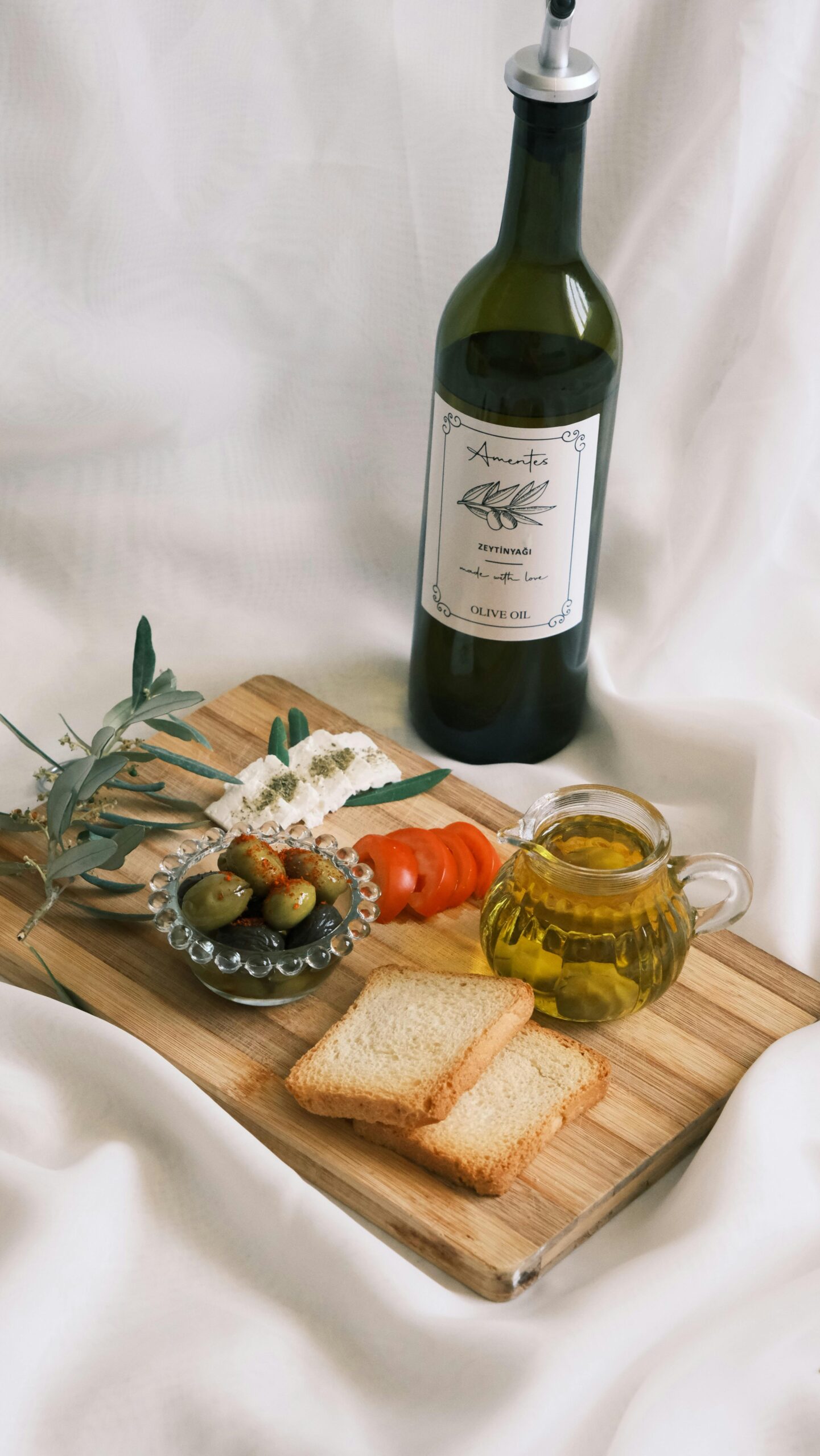
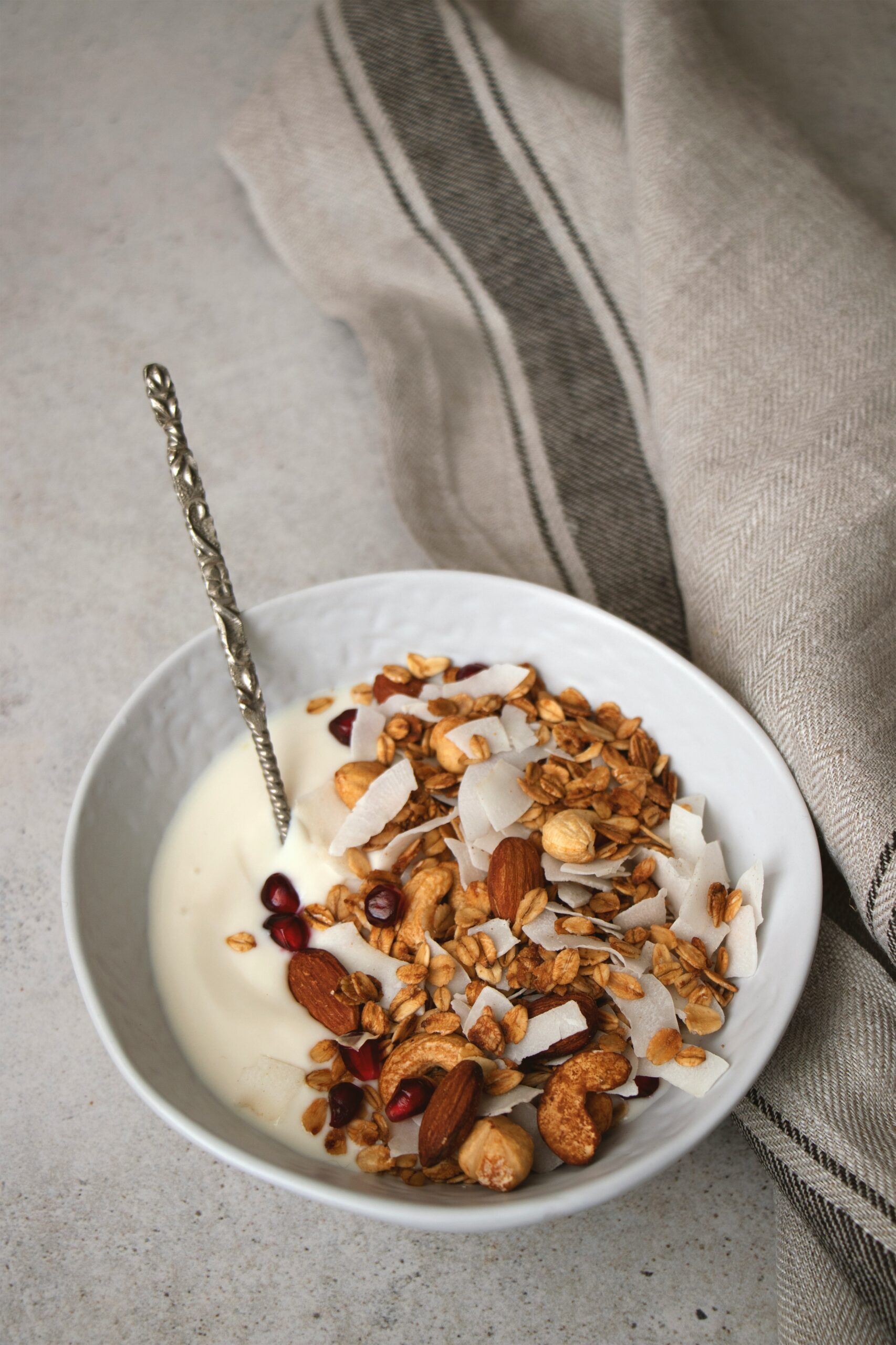
Organic pantry
Organic pantry staples
Where To Buy

Organic pantry suppliers
worth knowing about

These are the suppliers we trust for organic pantry staples — specialists, cooperatives and retailers who take quality and certification seriously.

Clearspring
UK-wide, online & selected retailers
Certified Organic Japanese Specialist
Clearspring is the benchmark for organic Japanese-influenced pantry products in Britain. Their range covers oils, miso, tamari, soy sauce, noodles, seaweed, rice vinegar and a wide range of organic grains and pulses. Everything is certified organic and the quality is consistently exceptional. Particularly strong on products that are difficult to source organically elsewhere — their organic toasted sesame oil and brown rice miso are pantry essentials. Available online and through Ocado, Waitrose and independent health food shops.
Visit Clearspring →
Biona
UK-wide, online & supermarkets
Certified Organic
Biona is one of the most widely available organic pantry brands in Britain and one of the most reliable. Their range covers tinned tomatoes, pulses, pasta, oils, vinegars, condiments, coconut products and much more — all certified organic and available through most major supermarkets, health food shops and online. Not the most exciting brand on this list but one of the most practical. If you are building an organic pantry from scratch and want certified organic staples without specialist sourcing, Biona is where to start.
Visit Biona →
Natoora
London & UK-wide delivery
Some Organic Lines Seasonal Specialist
Natoora is primarily known for its exceptional fresh produce but their pantry range is worth knowing about. Their selection of oils, vinegars, preserved products and specialist ingredients is sourced from small producers across Europe with an emphasis on quality and provenance. Not everything is certified organic but their sourcing standards are high and their commitment to flavour and seasonality is genuine. Particularly good for premium olive oils, aged vinegars and specialist Italian pantry ingredients.
Visit Natoora →
Mr Organic
UK-wide, online & supermarkets
Certified Organic
Mr Organic produces a broad range of certified organic pantry staples at accessible price points — tinned tomatoes, pasta, sauces, oils, pulses and more. Available through most major supermarkets and online. A practical and affordable entry point into organic pantry shopping, particularly for households switching from conventional supermarket staples. Their tinned tomatoes and passata are among the best value certified organic versions available in British supermarkets.
Visit Mr Organic →
Real Foods
Edinburgh & UK-wide delivery
Certified Organic Since 1975
One of Britain's oldest and most respected organic wholefood retailers, Real Foods has been operating from Edinburgh since 1975. Their range of organic pantry staples is exceptionally broad — grains, pulses, flours, dried fruit, nuts, seeds, oils, condiments and specialist ingredients. Available online with UK-wide delivery. Particularly strong on bulk buying options for pantry staples, which significantly reduces the cost of going organic. A genuinely impressive operation with deep roots in the organic wholefood movement.
Visit Real Foods →
Doves Farm
Berkshire, UK-wide
Soil Association Certified British Grown
The benchmark for organic flour in Britain. Doves Farm has been milling certified organic flour on their Berkshire farm since 1978 and their range covers plain, self-raising, wholemeal, spelt, rye, gluten-free and heritage grain flours — all Soil Association certified. If you bake, Doves Farm flour is one of the clearest and most impactful organic pantry switches you can make. Available through most major supermarkets, health food shops and online. Their organic porridge oats are equally excellent.
Visit Doves Farm →