
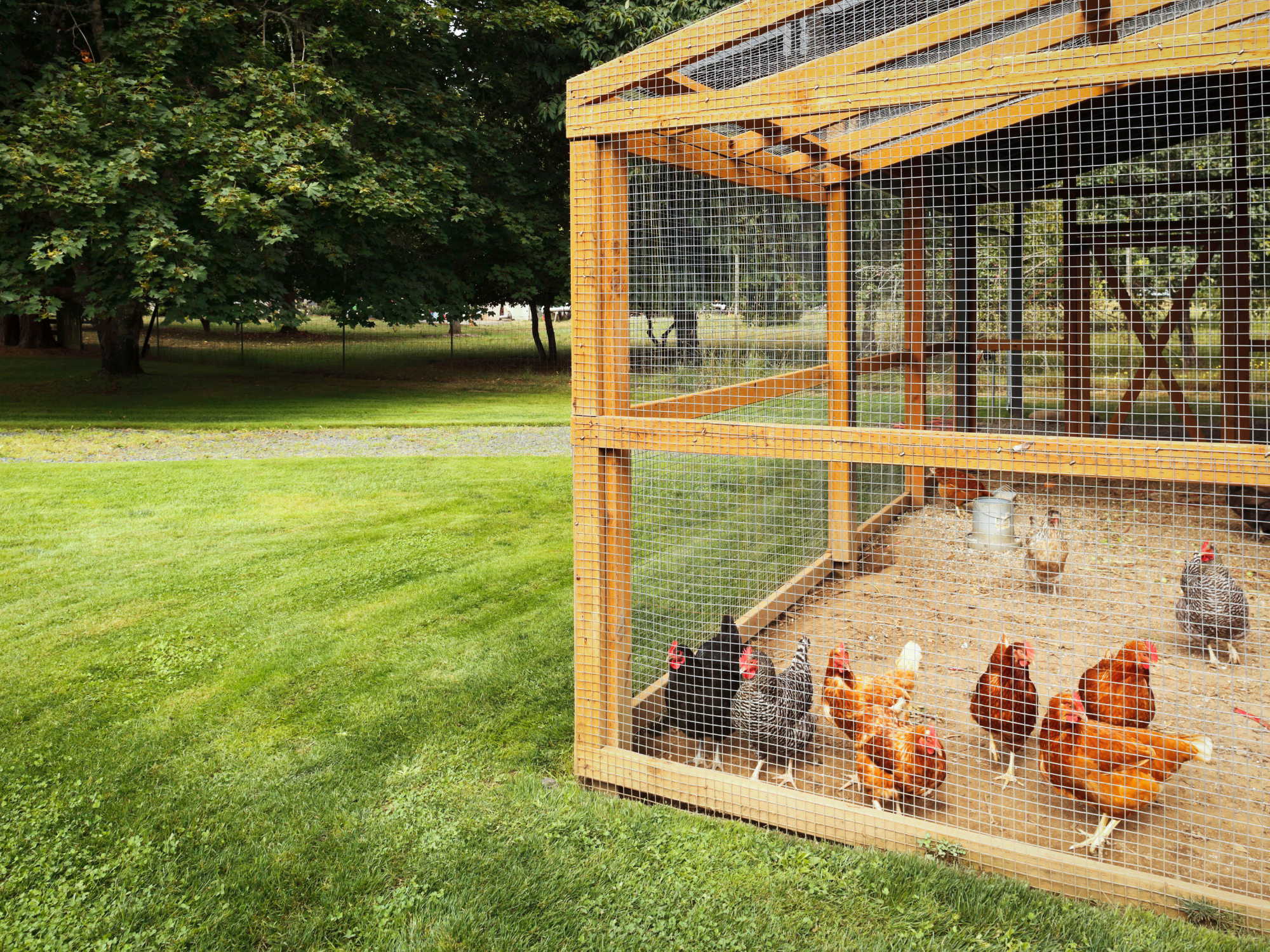
As a nation of animal lovers, many shoppers are looking for ways to make their animal product purchases more ethical. One British chicken standard available on our supermarket shelves that carries an increased ethical value and price tag is the free range label. Free range chicken is a definition protected under UK law, and for poultry or eggs to be labelled and advertised as free range, there must be a specific range of criteria adhered to.
Meat chickens are known as broiler chickens within the farming and food industry, and free range broiler birds must have continuous daytime access to an open air run, aka an outdoor area, for at least 50% of their life span.
This outdoor area must also be mainly covered with vegetation and provide a minimum of 1m² per bird. Whilst indoors, the birds must not be housed with more than 13 birds per m².
A free range bird cannot be slaughtered before being 56 days old, which may seem a short life span, but actually this ensures they grow slowly and naturally, in contrast to intensively farmed birds.
These standards are described throughout the Welfare of Farmed Animals (England) Regulations 2007, which adopt the EU Marketing Standards Directive.
Free range eggs across the UK may also be labelled accordingly if the hens have unlimited daytime access to an outdoor run. In addition, the birds must have 4m² each to roam on land that is mainly vegetation.
Whilst indoors, free range laying birds must be provided with perching and nesting areas as well as areas to scratch. There must not be no more than 9 hens per m² of the animals indoor accomodation.
These standards are legally defined and enforced, recognised and verified by brands such as the following:
- RSPCA Assured
- Red Tractor Free Range
- Soil Association Organic
